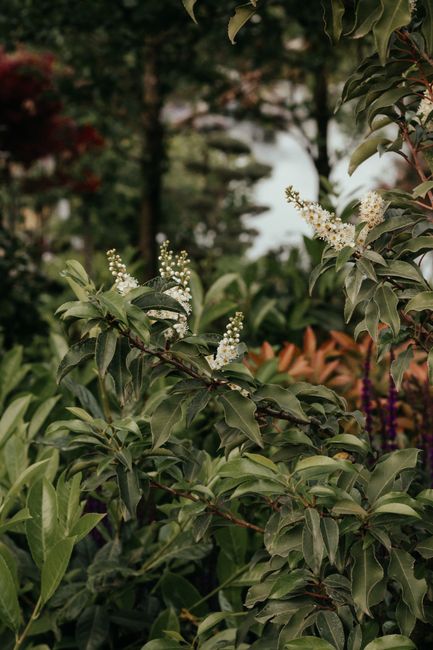
Best flowers for Thames View Estate gardens in Creekmouth
Posted on 08/11/2026
If you are trying to choose the Best flowers for Thames View Estate gardens in Creekmouth, the good news is that you do not need a huge garden or a fancy planting plan to make the space feel alive. A few well-chosen flowers can soften paving, brighten a balcony, and bring colour to those everyday views from the window. In Creekmouth, where gardens can face wind, shade, saltier air, and a fair bit of urban wear and tear, the right choice matters more than sheer variety.
This guide breaks down what grows well, why it works, and how to build a planting scheme that looks good for more than a week or two. We will keep it practical, local, and honest. Because let's face it, nobody wants a flower bed that looks brilliant in April and slightly tragic by July.

Table of Contents
- Why flower choice matters in Thames View Estate gardens
- How to choose flowers that suit Creekmouth conditions
- Key benefits of the right planting mix
- Who this guide is for
- Step-by-step guidance for getting started
- Expert tips for stronger results
- Common mistakes to avoid
- Tools, resources and recommendations
- Law, compliance, standards, and best practice
- Options and comparison table
- Case study: a realistic Thames View planting plan
- Practical checklist
- Conclusion
- Frequently asked questions
Why Best flowers for Thames View Estate gardens in Creekmouth Matters
Thames View Estate gardens are not one-size-fits-all spaces. Some are compact front gardens, some are shared edges and borders, and others are balconies or paved spots that need planters to do the heavy lifting. In Creekmouth, you are also dealing with a local microclimate that can feel a bit exposed at times. Wind comes in, moisture can hang around, and certain areas get more shade than you might expect from a quick glance.
That is why choosing flowers is not just about colour. It is about survival, structure, and maintenance. The best garden flowers in this part of East London are usually the ones that cope with mixed light, variable moisture, and the kind of day-to-day use that real homes bring. Kids, bins, bikes, pets, delivery boxes - the usual chaos. A flower bed has to earn its keep.
There is also the visual side. A well-planted garden can make a property feel cared for, which matters whether you are planting for your own enjoyment or simply want the outside space to feel more welcoming. A few strong performers do more than a dozen needy plants ever will. Truth be told, reliable flowers are the backbone of a good estate garden.
How Best flowers for Thames View Estate gardens in Creekmouth Works
The trick is to match flower traits to site conditions. You are not trying to force a sunny meadow into a shaded, breezy corner beside a wall. You are choosing varieties that enjoy the conditions you actually have. That simple shift saves time, money, and a lot of deadheading regret later on.
In practical terms, the best flowers for Creekmouth gardens tend to fall into a few groups:
- Sun-lovers for south-facing plots and open borders.
- Shade-tolerant flowers for fenced or partly screened spaces.
- Container-friendly plants for patios, balconies, and hardstanding.
- Long-flowering varieties that give repeat colour instead of one short burst.
- Pollinator-friendly blooms that support bees and other beneficial insects.
Once you understand those groups, the whole thing becomes easier. You can then layer flowers by height, colour, and season. For example, spring bulbs can give way to summer perennials, while late-season bedding keeps things lively into autumn. If you want extra seasonal range, browsing a broad selection such as all flowers can help you spot combinations that work together rather than just individually.
Container planting matters here too. On many estate properties, a few robust pots give more impact than a fussy border. That is where forms, colours, and plant habits matter. Upright stems create shape, trailing flowers soften edges, and compact varieties stop the whole thing from looking overstuffed. Simple, but effective.
Key Benefits and Practical Advantages
There are plenty of good reasons to choose flowers carefully rather than buying whatever looks pretty in the moment. Pretty helps, of course. But practical value is what keeps the garden looking good week after week.
- Better longevity: the right flowers stay presentable for longer in local conditions.
- Lower maintenance: suitable plants need less rescue work, less staking, and less watering panic.
- Stronger visual impact: a few well-matched plants usually look better than a crowded mix.
- More seasonal interest: careful planning means something is always in flower.
- Improved wildlife value: pollinator-friendly options can help bees and hoverflies.
- Better value for money: fewer losses, fewer replacements, fewer impulse buys that end up sulking in the corner.
One of the nicest side effects is mood. A red-and-white or soft pink scheme outside the door changes how a home feels when you arrive after work. In the evening, when the light goes low and the flowers catch the last bit of sun, even a small space can feel surprisingly calm. That sounds a bit romantic, maybe, but it is true.
If you prefer a ready-made gift or display style for a special occasion, the same colour thinking can carry into arrangements. For example, a calm white-and-green look pairs well with understated garden planting, while a richer mixed palette can suit a more expressive home front. It all connects.
Who This Is For and When It Makes Sense
This guide is for anyone in Thames View Estate or nearby Creekmouth who wants flowers that actually work in real life. That includes first-time gardeners, busy families, renters with patio space, older residents who want lower-maintenance planting, and anyone trying to improve curb appeal without turning the garden into a second job.
It also makes sense if you have had disappointing results before. Maybe you planted sun-loving varieties in a shaded bed. Maybe a windy corner flattened everything by June. Or maybe the garden looked fine at purchase time, then the enthusiasm quietly disappeared. Happens all the time. Gardening has a way of exposing optimism.
It is especially useful when:
- you want low-fuss flowers that keep going;
- you are planting in containers or narrow beds;
- you need colour across different seasons;
- you want a scheme that suits mixed light conditions;
- you are looking for practical, attractive options rather than showy but fragile plants.
If you are sending flowers as a gift to someone in the area, the same idea applies. You want blooms that arrive looking fresh and stay impressive for a few days at least. A reliable florist choice or a classic bouquet often makes more sense than something overly delicate. For quick gifting needs, a local florist in Creekmouth is a sensible place to start, especially if you want the arrangement to feel personal and close to home.
Step-by-Step Guidance
Here is a practical way to build a flower plan that works for Thames View Estate gardens without overcomplicating things.
1. Work out your light conditions
Spend a proper look at the space. Is it full sun for most of the day, half shade, or mostly shaded by fencing, buildings, or nearby trees? Morning sun and afternoon shade behave differently from all-day shade. You do not need a notebook and clipboard unless that is your thing. Just observe it for a couple of days.
2. Decide whether you are planting in soil or containers
Containers give you more control, which is useful in exposed or awkward spots. Beds are better for structure and long-term planting. A mix of both is often the sweet spot. Pots by the entrance, flowers in the border, done. That simple.
3. Choose a colour direction
Pick a simple colour theme so the garden feels intentional. Soft pinks and whites feel calm. Yellows and oranges look bright and cheerful. Purples can add depth. Mixed colour schemes are easier to pull off if you want a lively, informal look. If you are unsure, start with one tone and add contrast later.
4. Choose a mix of flower types
Try to combine:
- bedding plants for quick colour;
- perennials for longer-term structure;
- bulbs for early season interest;
- container stars for entrances or patios.
For example, roses, alstroemeria, tulips, carnations, and chrysanthemums each offer different strengths. Roses bring familiar beauty. Tulips give a strong spring lift. Alstroemeria can be dependable and elegant. Chrysanthemums are often underrated in practical gardens because they hold form well and can extend colour later in the year.
5. Think about maintenance from the start
If you do not want to deadhead every few days, choose flowers that naturally perform well with moderate care. If you enjoy gardening, add a few more demanding plants as accents rather than the whole scheme. Most people prefer a garden that looks looked-after, not one that requires constant attention. Fair enough.
6. Plan for colour across the seasons
Spring bulbs, summer bedding, and late flowering options give rhythm to the space. A garden that changes gradually feels richer than one that peaks all at once and then gives up. It is a small detail, but it matters more than many people realise.
7. Order or plant with the finish in mind
Think about how the garden will read from the path, the window, or the seating area. Put taller plants behind shorter ones. Repeat shapes and colours in more than one place. Small repetition makes even a modest garden feel calmer and more designed.
Expert Tips for Better Results
Here are the little things that make a decent flower display turn into a really good one.
- Use repetition: repeat one or two flowers across the space so it does not feel random.
- Choose one anchor plant: a strong rose, hydrangea, or lily can hold the whole scheme together.
- Mix textures: pair soft petals with more structured blooms so the arrangement feels balanced.
- Mind the container size: tiny pots dry out quickly and can make healthy flowers look weak.
- Group pots in threes: odd-numbered groupings often look more natural. Not a law, just a reliable visual habit.
- Feed lightly but regularly: especially for container flowers during the growing season.
- Water deeply rather than constantly splashing: roots like consistency.
A small local observation: in breezier streets or more open corners of Creekmouth, plants in lower pots often struggle more than people expect. Raising containers a little, adding a sheltered backdrop, or choosing sturdier stems can make a real difference. Nothing dramatic. Just smarter setup.
If you want the garden to feel generous and full rather than busy, keep your palette controlled. Three colours is often enough. Four can work, but after that the eye starts darting around a bit too much. And yes, there is always that one neighbour who can somehow make six colours look perfect. We need not compare ourselves to them.

Common Mistakes to Avoid
Most flower disappointments in small estate gardens come from a handful of repeat mistakes. Avoid these and you are already ahead.
- Choosing plants only for looks: beautiful flowers that hate wind or shade will not last.
- Overcrowding: cramming too many varieties in makes maintenance harder and ruins airflow.
- Ignoring seasonal change: a display that only works for six weeks is not much of a plan.
- Using tiny containers: the roots dry out too fast and growth stalls.
- Forgetting height: tall plants blocking smaller ones is a classic beginner mistake.
- Skipping deadheading where needed: some flowers keep going better if spent blooms are removed.
- Mixing conflicting styles: a formal rose look and a wild meadow look can sit together, but only with intention.
A quieter mistake is expecting every flower to perform equally well in every spot. It sounds obvious, but it happens a lot. A flower that loves a sunny front border may sulk in shade, and a shade-tolerant plant may stretch awkwardly in full blast sun. The fix is not more effort. It is better matching.
Tools, Resources and Recommendations
You do not need a van full of equipment, thankfully. A few reliable basics make most planting jobs easier.
- Gloves and a trowel: enough for planting and light maintenance.
- Watering can or hose attachment: especially useful for containers.
- Multi-purpose compost: for pots and topping up tired soil.
- Plant feed: helpful during the growing season, especially for repeat flowering.
- Secateurs or snips: useful for deadheading and tidy cuts.
- Mulch: helps retain moisture and reduce weeds in borders.
For flower selection, it helps to think in categories rather than chasing individual names. If you are looking for reliable everyday choices, browse practical ranges such as best sellers or more specific styles like summer flowers and flower care guidance. Even if you are mainly buying for the garden rather than gifts, those pages are useful for understanding what tends to hold up well in real conditions.
If budget matters, there is no shame in starting smaller. A few strong plants beat a crowded bargain tray that looks tired by the weekend. If you do want a more polished finish, premium-looking options can help, but they still need the right placement. Good plant choice is never just about price.
Law, Compliance, Standards, or Best Practice
For most home gardens in Thames View Estate, there is no complicated legal framework for choosing flowers. Still, a few best-practice points are worth keeping in mind, especially if you garden near shared spaces or manage a front-facing area.
- Keep pathways clear: do not let pots or trailing plants create trip hazards.
- Respect shared access: if a garden edge or communal route is involved, leave enough space for safe movement.
- Be considerate with climbing or spreading plants: make sure they do not block visibility or create nuisance for neighbours.
- Check estate or lease rules where relevant: some properties may have guidelines about front displays, fences, or alterations.
- Use water responsibly: especially during hotter spells, and avoid runoff onto walkways.
For workplaces, sheltered housing, or managed property spaces, there may also be internal maintenance standards to follow. These are usually practical rather than dramatic: keep things tidy, avoid obstruction, and choose plants that can be maintained safely. That is the main thing. Simple, but it matters.
Options, Methods, or Comparison Table
If you are choosing between different flower types, this quick comparison can help you decide which approach suits your space best.
| Flower type | Best use | Strengths | Things to watch |
|---|---|---|---|
| Roses | Borders, feature points, pots | Classic look, strong presence, good repeat interest | Need decent light and regular care |
| Tulips | Spring displays, planters | Bold colour, simple structure, easy seasonal impact | More seasonal than long-term |
| Alstroemeria | Mixed borders, containers | Longer flowering, elegant form, useful in mixed schemes | Needs consistent watering in pots |
| Carnations | Mixed arrangements, front-garden colour | Reliable, tidy, versatile | Can look stiff if overused |
| Chrysanthemums | Late-season interest, displays | Strong colour, useful in autumn, often underrated | Need correct placement to avoid legginess |
| Mixed seasonal bedding | Quick impact beds and pots | Flexible, bright, easy to refresh | Requires replanting more often |
If your goal is long-lasting colour with limited maintenance, a mix of perennials and good container plants is usually the smartest route. If your goal is instant impact for a special occasion, bedding and ready-made arrangements can do the job quickly. Different tools for different jobs. No mystery there.
Case Study or Real-World Example
Here is a realistic example from a typical Thames View-style front garden: a narrow paved area, one shallow border, and a couple of pots by the door. Nothing grand. Just a space that looked a bit plain for most of the year.
The planting plan used three layers. First, a pair of upright feature plants near the entrance for structure. Second, mid-height flowers in the border for colour through spring and summer. Third, low containers with a mix of soft blooms and a trailing finish to hide hard edges. The colour palette stayed within whites, pinks, and a touch of purple.
What changed? The space started reading as intentional. The entrance felt softer. Rainy mornings looked less bleak. By late afternoon, the flowers caught the light and gave the whole front of the property a calmer feel. It was not overdesigned, and that was the point. The best result was probably that nobody needed constant instructions on how to maintain it.
In a nearby balcony scenario, the winning version was even simpler: one strong planter with tulips for spring, then a summer rotation into alstroemeria and compact bedding plants. Tiny space, useful result. Sometimes that is the whole game.
Practical Checklist
Use this checklist before you buy or plant anything:
- Have I checked how much sun or shade the space really gets?
- Am I planting in soil, pots, or both?
- Have I chosen flowers that suit wind and exposure in Creekmouth?
- Do I have at least one long-flowering option?
- Have I planned for colour in more than one season?
- Are my containers large enough to hold moisture properly?
- Will the plants suit the amount of care I can realistically give them?
- Have I left clear access on paths and entrances?
- Do the colours work together rather than just individually?
- Do I have basic tools, compost, and watering equipment ready?
If you can tick most of those off, you are in good shape. If not, do not worry. Gardening is rarely perfect on the first pass. Better to adjust early than to fight the same problem all summer.
Conclusion
The Best flowers for Thames View Estate gardens in Creekmouth are the ones that balance beauty with resilience. In a local setting like this, that usually means choosing flowers that can handle wind, mixed light, and everyday life while still giving you colour, scent, and a bit of cheer. Start with your site conditions, keep the palette focused, and lean toward reliable varieties that reward proper placement.
Whether you want a few pots by the door, a modest border refresh, or a more polished garden scheme, the same principle applies: match the flower to the space, not the other way around. Do that well, and the garden starts doing quiet work for you every day. Nice thing, really.
Get a free quote today and see how much you can save.
Frequently Asked Questions
What are the best low-maintenance flowers for Thames View Estate gardens?
Reliable choices are usually flowers that tolerate mixed light and do not collapse after one windy spell. Roses, alstroemeria, chrysanthemums, and hardy bedding mixes are often sensible starting points if you want colour without constant fuss.
Which flowers work best in shady Creekmouth gardens?
Part-shade gardens do well with flowers that do not demand full sun all day. In practice, this means choosing varieties that keep their shape in softer light and do not rely on intense heat to perform. A local florist or nursery can help match the plant to the spot.
What flowers are best for front gardens on an estate?
Front gardens usually benefit from neat, repeatable planting. Roses, tulips in spring, compact mixed bedding, and container flowers at the entrance all work well because they look intentional from the pavement and are easier to keep tidy.
Can I grow flowers in pots if I do not have a proper garden?
Yes, absolutely. In fact, containers are often the best solution for patios, balconies, and paved areas. Just make sure the pots are large enough, drain well, and are watered regularly during warm or windy weather.
Which flowers are best for year-round interest?
No flower gives perfect year-round display on its own, so the trick is layering. Use spring bulbs, summer flowers, and later-season options together. Perennials add structure, while bedding plants provide quick colour when needed.
Are roses a good choice for Creekmouth gardens?
Yes, if the location gets enough light and you are willing to do a little care. Roses are strong visual anchors and can make a small garden feel more established. They are not the most carefree option, but they are often worth it.
What flowers are best if I want something colourful but simple?
Go for mixed-colour schemes with easy-to-place flowers such as tulips, carnations, germini, and dependable summer bedding. These give strong visual impact without forcing you into a complicated planting layout.
How often should I water flowers in containers?
Container plants usually need more frequent watering than border plants because pots dry out faster. In warm or breezy conditions, you may need to check them daily. Better to water deeply than to give tiny amounts too often.
Do I need to worry about compliance for flowers in shared estate spaces?
Usually the main concerns are practical rather than legal: keep access clear, avoid trip hazards, and respect any estate rules about shared areas. If you are unsure, check the property guidance before adding larger pots or climbing plants.
What is the easiest way to make a small garden look better quickly?
Use three things: one strong colour theme, a few healthy feature plants, and containers near the entrance. That combination gives faster impact than trying to fill every gap at once. It is simple, but it works.
Are flower subscriptions useful for local gardens?
They can be, especially if you want regular fresh flowers for indoors while your garden beds are still developing. For outside spaces, the bigger win is seasonal planning, but a subscription can complement the garden nicely.
Where should I start if I feel overwhelmed by choices?
Start with your light conditions, then choose three to five flowers that suit the space. If you want a safer route, browse established categories such as best sellers, summer flowers, or florist choice options and build from there. Keep it manageable. That really is the trick.
And if all else fails, start with one pot, one border, one colour. Good gardens are often built that way, one sensible decision at a time.